
Product datasheet · Edible offal
Salted Beef Omasum
Bible tripe — 牛栢葉 — sách bò. Wet-salted within two hours of slaughter, graded by leaf weight, packed in 20 kg cartons for buyers in Hong Kong and Vietnam. No hydrogen peroxide, no caustic soda, no formaldehyde.
Minimum order
14 MT
Monthly capacity
Two 40 ft containers
Loading port
Any Bangladeshi sea port
HS code
0504.00.00
Two variants
The omasum leaf carries a dark keratinised membrane. Whether it stays on is what separates the two products in this trade — and it is the single point where buyers get misled most often.
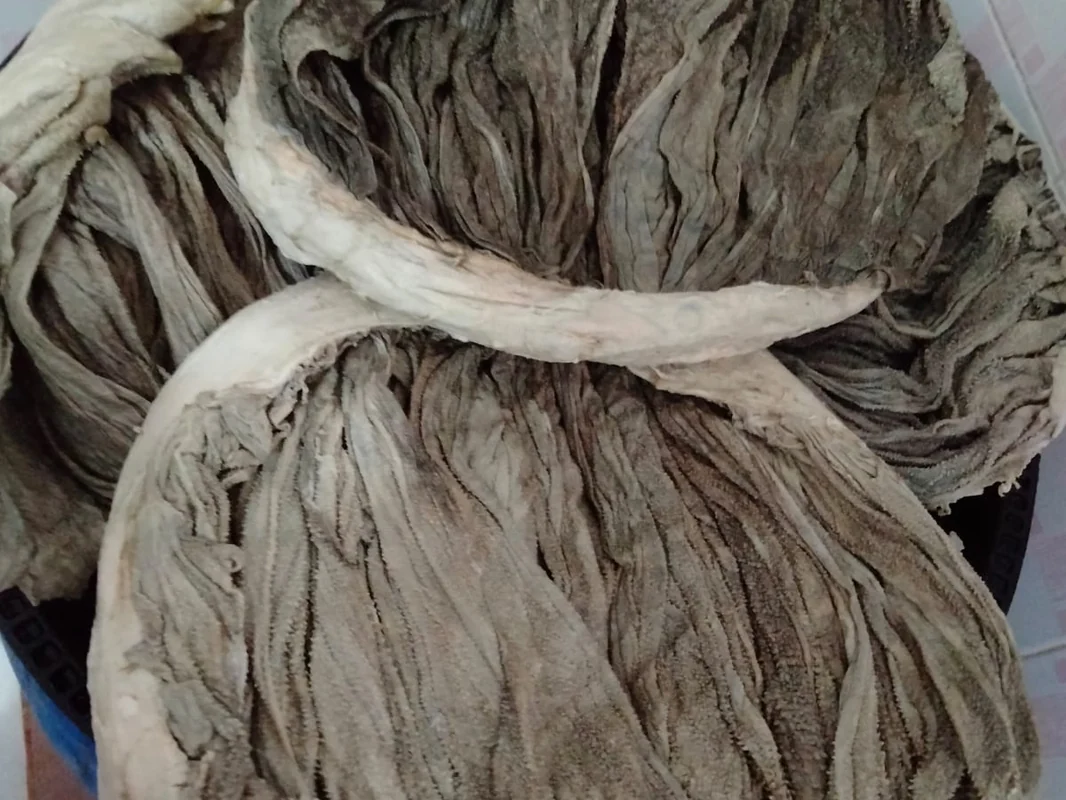
Natural Black
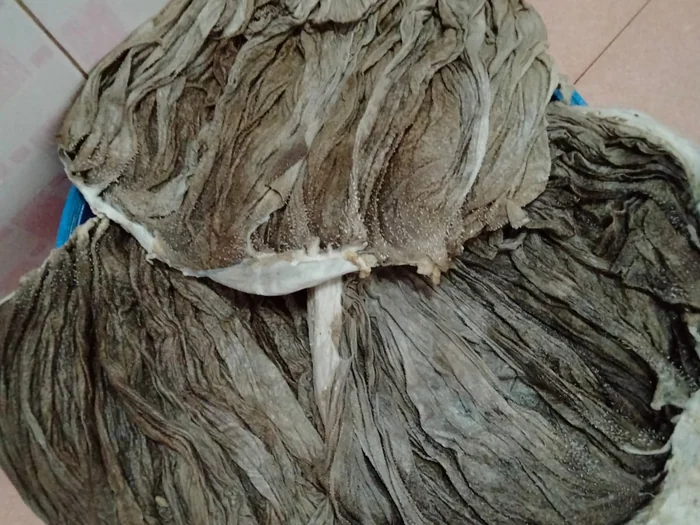
Membrane intact. Washed, de-ingesta’d and salted — nothing else. This is the connoisseur grade in the Cantonese and hotpot trade, and the variant most Hong Kong buyers ask for by name.
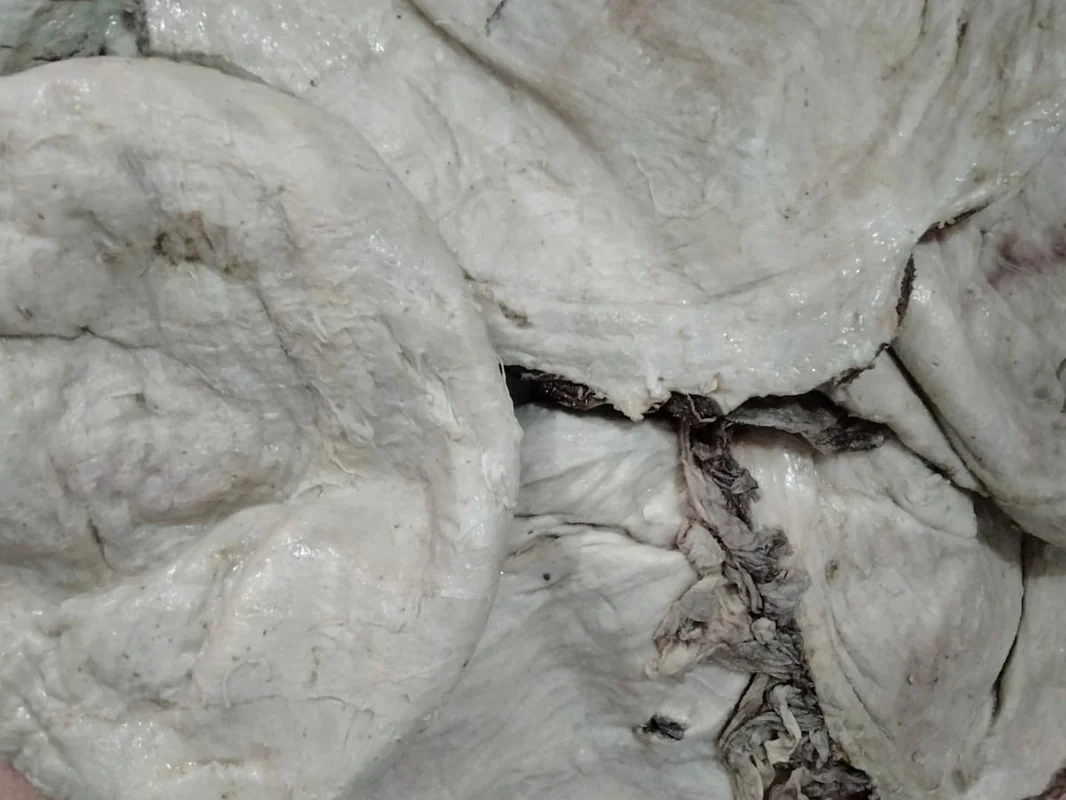
Scalded White
Membrane loosened in hot water at 60–77 °C and removed mechanically. Pale, clean-looking, and produced with no chemical whatever. This is scalded white — it is not bleached white, and the difference is visible in the leaf.
How to tell scalded from bleached. Caustic soda and hydrogen peroxide strip the membrane chemically and swell the tissue with water — one published process reports more than a hundred per cent weight gain from an alkali and phosphate treatment. That weight is what the buyer pays for. The tells are an unnaturally bright white, abnormally large swollen leaves, and poor elasticity when the leaf is pulled. We use no hydrogen peroxide, no caustic soda, no formaldehyde and no quicklime, on either variant. Soak a piece out in cold water and weigh what remains — that is the only test that settles the question, and it is why we write the desalted yield basis into the contract before anyone ships.
Grades, by leaf weight
Letter grades are not portable between suppliers in this trade — one exporter’s A is another’s B, and that mismatch is the most common second-order complaint on a repeat order. We publish our bands in grams and ship to them. A retained counter-sample from the production lot goes with every contract.
| Grade | Weight per piece | Leaf condition |
|---|---|---|
| A | 800 g and above | Full leaf set, intact |
| B | 600–799 g | Full leaf set, minor edge trim permitted |
| C | 599 g and below | Smaller animals; sound but light |
The cure
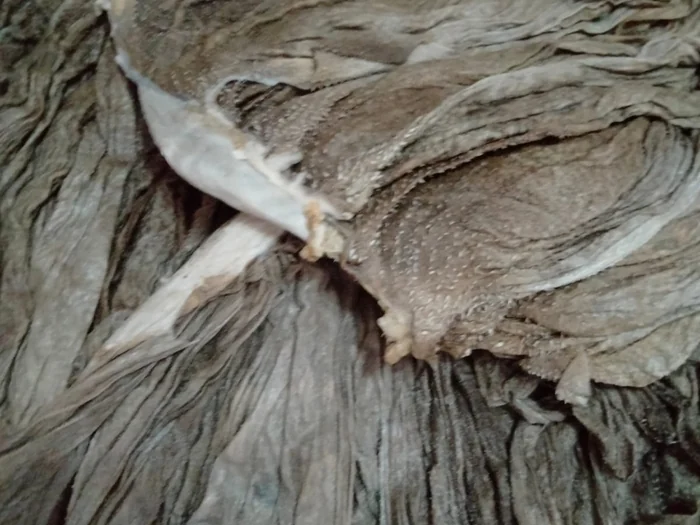
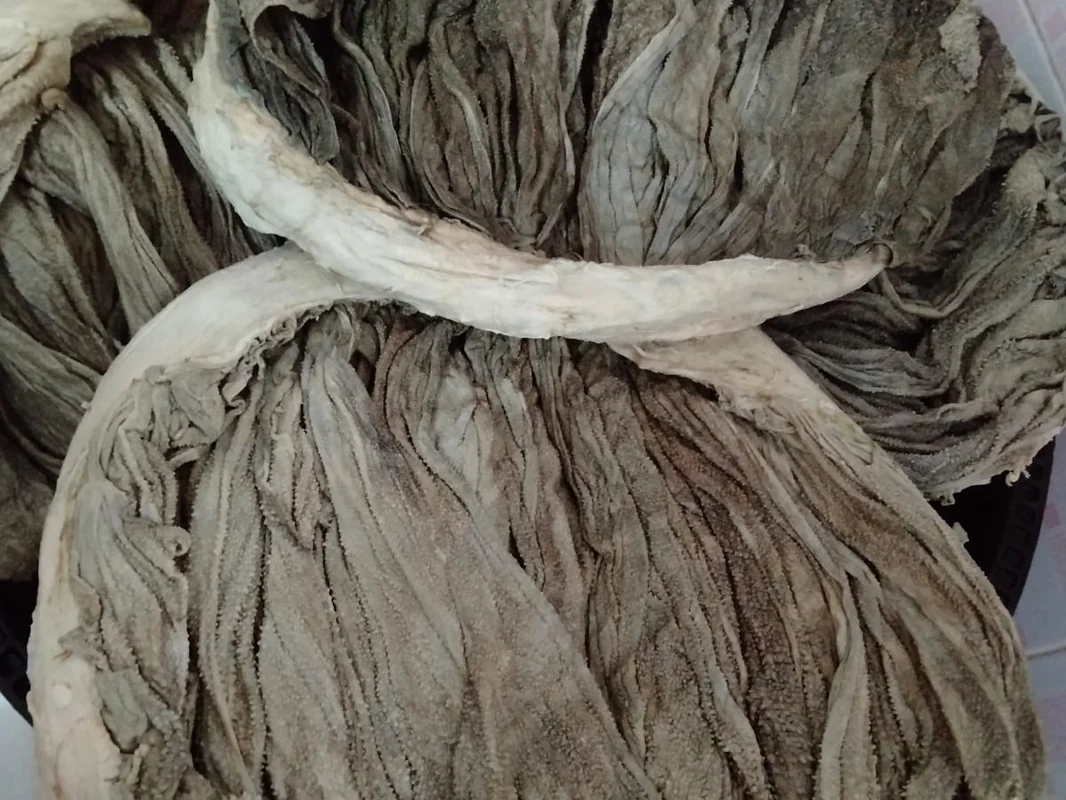
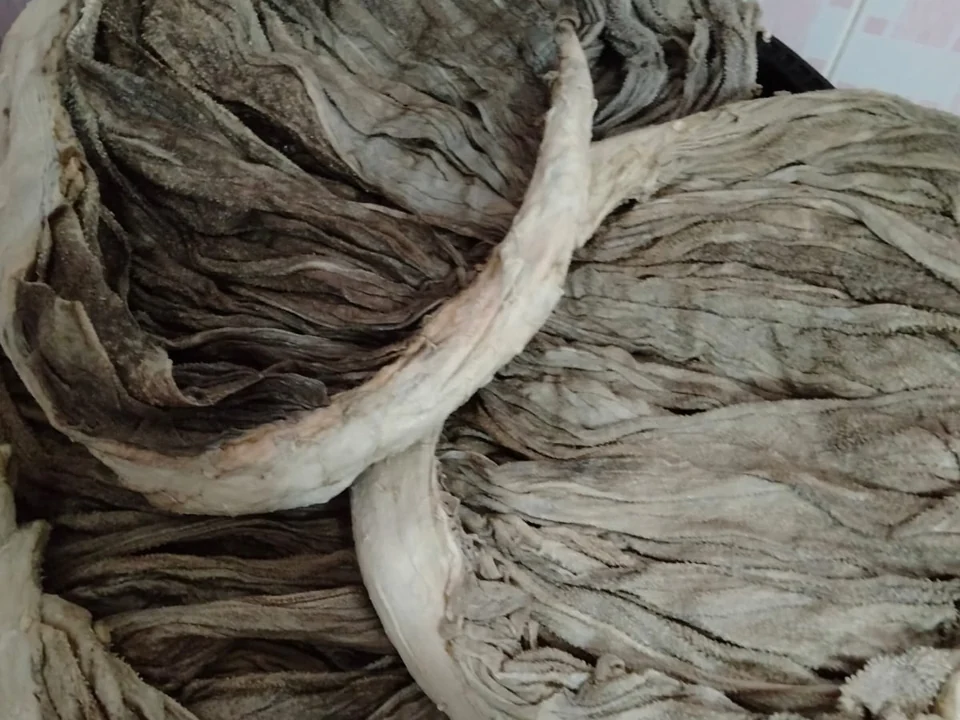
Bangladesh’s supply peaks at Eid-ul-Adha. Hong Kong’s demand peaks months later, before Lunar New Year. The salt cure is what bridges those two dates, so it is the commercial core of this product rather than a finishing step — and it is where a container is won or lost. We have written up the mechanics separately: why salted omasum spoils in transit, and the three numbers that prevent it.
- Salted within two hours of slaughter. Stomach contents carry very high microbial activity — the gap between the slaughter floor and the salt pile is what decides whether a load arrives with an off-odour.
- Layered dry-salt cure, 30 days minimum, held above 12 °C throughout, following the treatment regime the World Organisation for Animal Health specifies for ruminant material from regions where foot-and-mouth disease is present.
- Clean food-grade salt, never reused. Salt-tolerant bacteria and moulds travel in the salt itself, and pink discolouration in transit destroys a whole container, not part of one. We also specify low calcium and magnesium — calcium slows penetration enough to let spoilage start, magnesium leaves the product bitter after desalting.
- Water activity is the number that governs, not the word “salted.” We cure to aw 0.80 or below, which satisfies both the shelf-stability threshold and the WOAH treatment standard. We ship in a reefer at 0 to +4 °C on top of that — a tropical routing is not the place to lean on the cure alone.
Specification
| Product | Wet-salted beef omasum (bible tripe), edible |
| Raw material | Cattle omasum, from licensed slaughter facilities. Single species; declared per lot on the invoice and health certificate. |
| Variants | Natural Black, membrane intact · Scalded White, membrane mechanically removed |
| Cleaning | Ingesta, blood, adhering fat, serosa, connective tissue and the reticulum and abomasum junctions removed. No residual stomach content. |
| Fat | 2% maximum, visually free of adhering fat |
| Salting method | Layered dry salt, 30 days minimum above 12 °C |
| Salt applied | 25–30% of green weight |
| Salt in finished product | 15–20% |
| Salt quality | Food grade, non-iodised, NaCl 97% minimum, low calcium and magnesium. Never reused. |
| Water activity | aw 0.80 maximum |
| Odour | Clean salted-offal aroma. No putrid, sour or ammoniacal note. No blood. |
| Chemical treatment | None. No hydrogen peroxide, caustic soda, formaldehyde or quicklime. |
| Shelf life | 12 months from production, unopened, stored below 25 °C and dry |
| Transport | Reefer container at 0 to +4 °C. |
| Desalted yield | Stated on the contract for the grade supplied, so that arrival weight is never in dispute |
| HS code | 0504.00.00 — guts, bladders and stomachs of animals, salted. Why Chapter 5 and not Chapter 2 |
Packing and container loading
| Standard unit | 20 kg net master carton, double-wall corrugated, food-grade PE inner liner |
| Gross weight | approx. 21.0–21.5 kg |
| Alternative | Food-grade HDPE drum, 25 kg net, where free brine must be contained |
| Marking | Product, variant, grade, lot number, net and gross weight, production date and expiry date, country of origin, exporter |
| Buyer’s packing | Carton size, liner and marking to your specification on request |
Production and expiry dates must be legible on the outer packing. A Vietnamese consignment missing them is refused at the border and returned, and no amount of correct paperwork elsewhere will save it.
Container loading
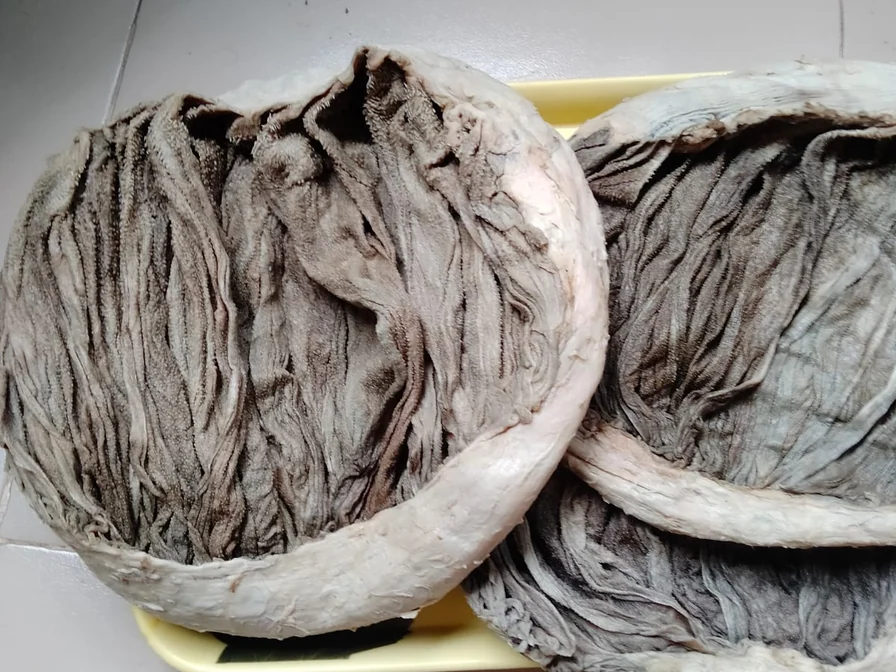
Salted omasum is dense, so weight binds before volume — the payload limit arrives while there is still headroom above the stack. We load conservatively against that, stowed low and even, rather than filling the box to the roof.
| Container | Cartons, 20 kg net | Net weight | Gross cargo weight |
|---|---|---|---|
| 20 ft standard | 700 | 14.0 MT | approx. 14.9 MT |
| 40 ft standard | 1,350 | 27.0 MT | approx. 28.7 MT |
Documentation and import clearance
Issued with every shipment
- Commercial invoice
- Packing list, carton-by-carton with lot numbers
- Bill of lading
- Certificate of Origin from a Bangladeshi chamber of commerce
- Veterinary health certificate issued by the Department of Livestock Services
- Salt-treatment declaration recording the cure period, temperature and water activity
- EXP form certified by our authorised dealer bank
- Pre-shipment inspection report where required
What we do not claim
Bangladesh holds no foot-and-mouth-free recognition, and we will not imply otherwise. What we offer instead is a documented cure that meets the internationally recognised treatment standard for ruminant material from an affected region, certified by our national veterinary authority.
Import conditions differ sharply between Hong Kong and Vietnam, and they change. Tell us your destination at the enquiry stage and we will confirm in writing what we can and cannot certify for it before either of us commits to a shipment.
Commercial terms
| Minimum order | 14 MT |
| Monthly capacity | Two 40 ft containers |
| Production lead time | Subject to cure completion — material must complete its 30-day salt cure before loading |
| Ocean transit | Any Bangladeshi sea port to Hong Kong or Haiphong, 18–25 days including transhipment |
| Incoterms | FOB any Bangladeshi sea port, or CFR Hong Kong / CFR Haiphong. Air shipment from any Bangladeshi airport on request. |
| Payment | 30% T/T advance, 70% against scanned bill of lading. L/C at sight accepted. |
| Samples | Sample product is free. The courier is arranged and paid by the buyer. A courier parcel of salted ruminant material is a regulated import in its own right, so check your import permission before requesting one. |
| Pre-shipment inspection | Third-party inspection at our cost on a first order — we would rather you saw the load before it sailed |
| Seasonality | Supply peaks at Eid-ul-Adha; book cured stock early for the Lunar New Year window |
Ask for the grade bands and the yield basis
Tell us the variant, grade and volume, and your destination port. We will send a quotation, photographs against a scale, and the desalted yield basis in writing — so there is nothing left to argue about when the container lands.